You have probably been told to “add more skills” to your acting CV. It is not bad advice, but it is incomplete advice. The point is not to look busy but to become easier to cast.
A specialist skill is only valuable if it makes you more believable, more useful, or more trusted in the roles you want to play. If your CV is full of things you can vaguely do, it starts to feel like padding. Casting directors do not need to know that you once tried archery on a stag weekend. They need to know what you can do convincingly, safely and professionally when the camera is rolling.
So before you spend money on another course, ask yourself a better question: what kind of roles do I want to be taken seriously for, and what skills would make me more believable in that world?
Accents and dialects
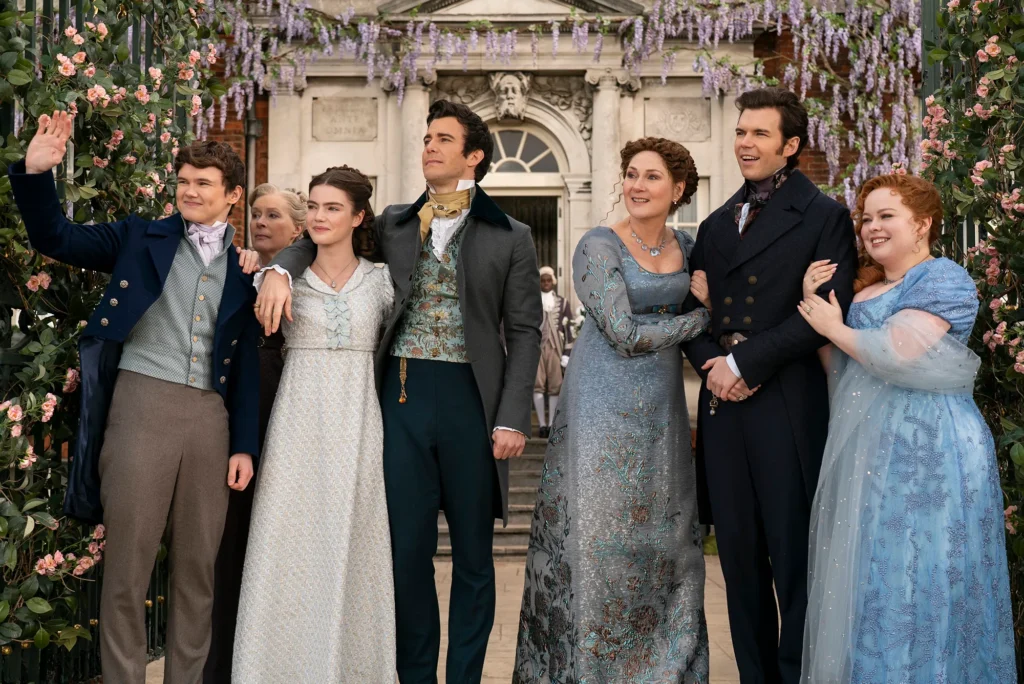
Accents are one of the most useful skills you can develop, particularly if you want to work across UK, European and international screen projects. But you need to be honest about your level. A half-good accent is often worse than no accent, because the moment it slips, the audience stops watching the character and starts hearing the actor trying not to get caught.
If you put “General American” on your profile, it needs to hold up in a full scene, not just in a few rehearsed phrases. If you list Irish, Scottish, London, Manchester, Liverpool or RP, you need to know what version of that accent you are claiming. “Northern” is not an accent. “American” is not one accent either. The more specific and reliable you are, the more professional you look.
The mistake is treating accents like party tricks. They are not. A strong accent should free you, not trap you. You still need to think, listen, respond and pursue an objective. If all your energy is going into maintaining the sound, the acting will usually flatten.
What to do next?
Choose two accents that genuinely support your casting. If you are regularly suited to contemporary British drama, you may not need ten accents, but a strong General American, RP or specific regional accent could help you access more work. Train them properly, record yourself in scenes rather than isolated sentences, and watch the footage back without being kind to yourself. Does the accent still live when the character is under pressure? If not, keep working.
Tactical firearms training
If you want to be taken seriously for police, military, security, criminal, detective, thriller or action-led roles, tactical firearms training can be a very smart investment.
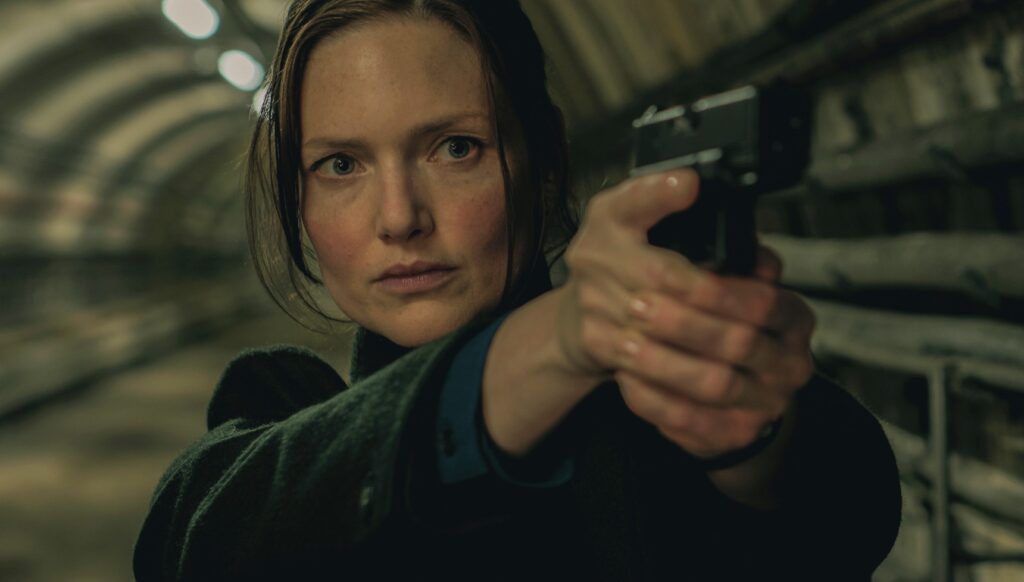
But let’s be clear: this is not about looking cool holding a weapon. That is usually where actors go wrong. You can spot an untrained actor almost immediately. The grip is wrong, the stance is tense, the muzzle awareness is poor, the movement looks copied from television, and the whole thing feels like someone pretending rather than someone trained.
For screen work, firearms training is about safety, discipline, credibility and performance. You need to understand how to move with a weapon, how to take direction, how to maintain awareness, how to stay safe, and how to keep acting while doing something technical. That last part matters. The skill is not useful if the moment you pick up a firearm, the character disappears.
This is an area where proper actor-focused training can genuinely make you more employable. Actors Studio runs tactical firearms training specifically for actors, and recent graduates have gone on to secure firearms acting work immediately afterwards, including on a flagship BBC drama. That is not because a certificate magically gets you work; it is because believable, safe, camera-ready firearms handling makes you easier to trust when a production needs that skill quickly.
What to do next?
Only pursue firearms training if it makes sense for your casting. If you naturally suit police, military, crime, thriller or action roles, build the skill properly and make sure you have footage that proves it. Do not just write “firearms trained” at the bottom of your CV and hope it does the work for you. Casting needs to see that you can carry the skill inside a scene, under pressure, while still behaving like a human being.
Stage combat and screen combat
Combat is not just a stunt skill. It is an acting skill.
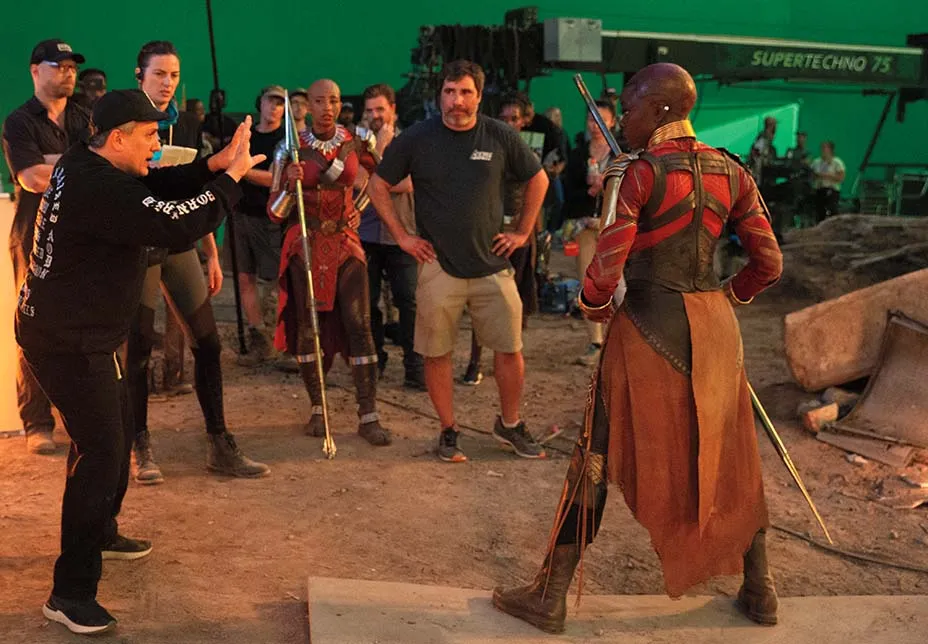
If you are in a fight scene, you are not simply performing choreography. You are playing fear, control, anger, panic, dominance, survival or threat. The audience needs to believe something dangerous is happening, while the people in the scene remain completely safe. That takes control, trust and repetition.
Unarmed combat is usually the best place to start. If you cannot sell a slap, punch, grab or fall safely, there is little point jumping straight into knives or swords. Good combat training teaches you distance, rhythm, reaction, eye line, breath and how to keep a scene alive physically.
You do not need to become a stunt performer for combat to be useful. You just need to be someone a director can trust with physical action. If you can move safely, repeat choreography and stay emotionally connected, you become more useful in crime drama, fantasy, period work, theatre, commercials and action-led scenes.
What to do next?
Start with proper unarmed combat training and build from there. Be honest about your level and do not list combat on your CV unless you can actually perform it safely under pressure. A vague memory of a workshop from years ago is not a skill. It is a risk.
Horse riding
Horse riding is not useful for every actor, but if it suits your casting, it can be a real advantage. Period drama, fantasy, historical stories, rural dramas and certain commercials still need actors who look comfortable around horses, and there is a big difference between “I have been on a horse” and “I can ride while acting”.
If you claim horse riding, production may expect you to mount, ride, take direction, stay relaxed and perform at the same time. If you panic the moment the horse moves, you have not helped yourself. You have just made yourself look less professional.
That does not mean you need to be advanced before you mention it, but you do need to be accurate. Beginner, intermediate and advanced mean different things, and you should not blur them because you want the CV to look stronger.
What to do next?
If horse riding supports the roles you want, take regular lessons and be specific about your ability. If you can walk, trot, canter, jump, ride side-saddle or work around horses confidently, say that accurately. If you cannot, do not pretend. This is one of those skills where exaggeration can get embarrassing very quickly.
Languages and European casting
If you want to work beyond the UK, languages can be incredibly useful, but only if you are clear about what you can actually do. There is a big difference between being fluent, conversational, able to learn lines phonetically, or able to improvise and take direction in another language.
European productions, co-productions, commercials, voice work and streamer-led projects can all benefit actors who can move between languages and accents. But nobody benefits if you oversell your level and get exposed in the room or on set.
If you speak French, Spanish, German, Italian, Arabic, Polish, Portuguese or any other language, that can be a genuine asset. Just be precise. The industry can work with honesty. It cannot work with guesswork.
What to do next?
Audit your language ability properly. If you speak another language, record a short scene in that language, not just a self-introduction. The point is to show that you can act through it, not simply pronounce it. If you are learning a language for career reasons, choose one that genuinely connects to the market or roles you want, then commit to getting it to a usable level.
Driving and vehicle skills
Driving is not glamorous, but it is useful. A full clean driving licence can make you easier to book, especially for location work, regional shoots and roles where driving is part of the character’s life. It is one of those practical details that may not win you the role on its own, but can help remove a problem.
Motorbike riding, van driving, manual driving, towing, cycling, boating and experience with period vehicles can also be useful if they match your casting. As always, the value comes from being specific. “Driving” is fine, but “full clean UK driving licence, manual, confident with vans” tells production much more.
What to do next?
Make sure your licence and vehicle skills are listed clearly and accurately on your CV and casting profiles. If you can ride a motorbike, drive manual, handle larger vehicles or work confidently with bikes, boats or specialist vehicles, say so. If you cannot, do not pad it. Practical skills are only useful when they are true.
Movement, sport and physical confidence
You do not need to be an action actor to benefit from movement training. If you move well, you are often easier to direct. You hit marks more naturally, repeat action more consistently, take choreography better and look more comfortable in your body on camera.
This could mean dance, boxing, martial arts, football, rugby, swimming, gymnastics, yoga, parkour or general strength and conditioning. The specific discipline matters less than whether it supports your casting and improves your physical confidence.
If you are aiming for action or crime roles, boxing or martial arts may help. If you want more ease and control on camera, dance or movement classes can be valuable. If you often feel stiff, awkward or disconnected physically, that is not just a movement issue; it can become an acting issue too, because tension shows on camera.
What to do next?
Choose one physical discipline and take it seriously for three months. Do not casually collect ten sports for your CV. Build one thing you can actually do. Then, if it supports your casting, get footage of it in a scene or movement-based clip so people can see the skill rather than just read the word.
Voice and singing
Voice still matters, even for screen actors. The camera may reward subtlety, but weak vocal habits can still hold you back. If your speech is unclear, your breath is tight, your articulation is lazy or your voice collapses under emotional pressure, the performance suffers.
Singing can also be valuable, especially for musical theatre, commercials, actor-musician work, voiceover and certain screen roles. But again, be specific. “Can sing” does not tell anyone enough. What is your range? Are you trained? Can you harmonise? Can you perform live? Can you sing in character?
Voiceover is another area worth considering if your voice has a distinct quality, but do not assume that having a nice voice makes you a voice actor. Voice work is technical, competitive and performance-led.
What to do next?
Record yourself reading scenes and listen back properly. It will probably be uncomfortable, but it will tell you a lot. If your voice is not supporting the work, train it. That might mean voice classes, singing lessons, accent work, breath work or text practice. If you want voiceover work, create a proper voice reel rather than expecting people to guess from your screen reel.
The skill has to match you
This is where you need to be honest with yourself. A specialist skill is not automatically valuable because it sounds impressive. It is valuable when it makes sense on you.
If your casting leans towards contemporary comedy, you may get more value from accents, improvisation, voice and screen technique than from sword fighting. If you naturally suit crime, thriller, police or military roles, firearms and combat may be a smart investment. If you want European or international work, accents and languages could open more doors than another general acting class.
You are not trying to become a random collection of skills. You are trying to become more castable.
So look at your casting, your age range, your physicality, your voice, your look, your strengths and the roles you genuinely want to move towards. Then ask yourself what would make you more believable in those roles.
That is the skill worth learning.
What to do next
Before you book anything, look at your current casting profiles and CV. If the skills section is vague, inflated or full of things you cannot confidently do tomorrow, clean it up. Then pick one skill that could genuinely move your career forward and commit to it properly.
If you want to be seen for crime, police, military or action roles, tactical firearms and screen combat may be the most useful place to start. If you want broader screen opportunities, accents may be more valuable. If you want European work, languages matter. If you want more physical confidence, movement training may change how you appear on camera.
Whatever you choose, do not just learn the skill. Find a way to prove it.
Film it. Put it in a scene. Make it visible. Show casting that the skill is not just something you have written down, but something you can actually use while acting.
Because that is what gets taken seriously. Not a long list of half-skills, but clear, believable evidence that you can step into a world and belong there.
